Your Dog’s Environment Is Affecting Their Health (More Than You Think)
We are all guilty of this every single day — and we don’t even realize it.
Sunder Raman
Health
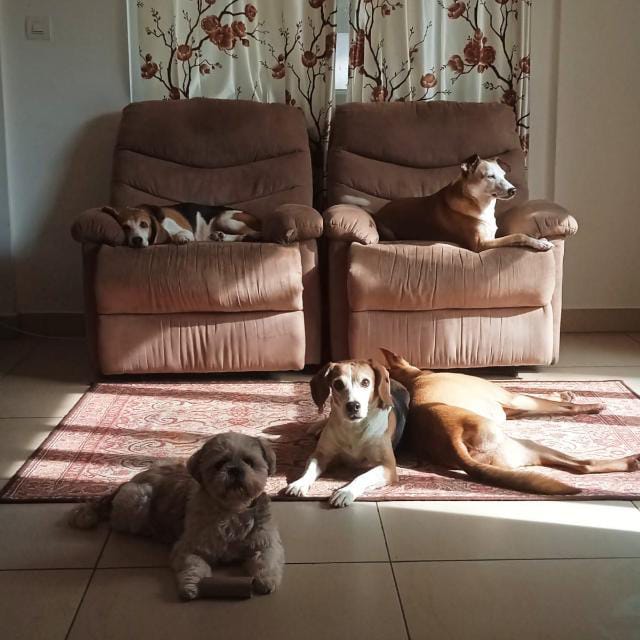
I am a pet parent to six lovely furkids, whom I lovingly refer to as my kiddos. Everything I share here comes from over 30 years of raising, learning, experimenting, and sometimes failing with my own dogs.
I’m no saint — I’ve made mistakes, trusted the wrong advice, and learned things the hard way. But over time, we cracked what works when it comes to pet wellness and nutrition.
This blog is not theory. It’s real, lived experience — from my pack to yours.
In today’s blog, everything I’m going to share is happening right now in most households — as you’re reading this.
Let’s start small… and then build up.
How Clean Is Their Water Bowl?
Pause for a second.
Go take a look at your dog’s water bowl.
You might feel a slight twinge after this.
Most of us — and this includes us until some time back — think we are cleaning it.
We empty the water, give it a quick rinse, and refill.
But that’s not cleaning.
That bowl collects:
dust
hair
bacteria
particles from the floor
Rinsing doesn’t remove all of that.
Start cleaning it properly using a pet-friendly solution, at least once a day.
It’s a small change… but it makes a big difference.
Food Bowls — Don’t Let Them Sit
Once your dog finishes eating, don’t just leave the bowl as is.
What we used to do: 👉 Leave it, let it dry, clean it later.
What actually happens: 👉 Food residue sticks, bacteria builds up, and smell develops.
Now we do something simple:
Add a little water immediately after the meal
Clean it properly before the next use
You’ll be surprised — dogs can actually reject food if the bowl smells off.
Something Most People Don’t Realise — Dust While Sweeping
This one shocked us.
Your house help (or even you) while sweeping — unknowingly throws up dust into the air.
And guess who is right there?
Your dog.
That dust settles on their coat and skin.
We never connected the dots… until we noticed constant scratching.
The fix was simple:
Move the dogs away while sweeping
Or ensure dust is controlled
The scratching reduced significantly.
Beds — Clean, But How Often?
Ask yourself:
Do you dust their bed daily?
Do you wash it weekly? Or once in 15 days?
Have you checked the material?
Beds collect hair, dust, moisture, and bacteria.
And your dog spends hours on it.
This is one of the most ignored areas.
Floor Cleaners — Hidden Culprit
We realised this the hard way.
Not all floor cleaners are pet-friendly.
If your dog is constantly in contact with chemically treated floors: 👉 It can affect their skin, paws, and coat
This slowly leads to:
itching
licking
irritation
and eventually… vet visits
Switching to pet-safe cleaners made a noticeable difference for us.
After Walk Hygiene — Simple but Ignored
When your dog comes back from a walk…
Do you clean their paws?
Think about it — we don’t walk barefoot outside and then lie on our bed.
But dogs do.
A simple wipe or rinse of their paws:
keeps dirt out
reduces infections
improves hygiene overall
The Bigger Point
Trust me — even when we think we are doing things right…
Somewhere, we are missing small details.
And those small things add up.
That’s where environment plays a huge role in shaping your dog’s health.
This Is Not Overwhelming — It’s Awareness
If you’re reading this and thinking, “This is a lot…”
It’s actually not.
These are small, manageable changes:
you can do
delegate
or simply be aware of
The Truth
It’s not always the food. It’s not always genetics. Sometimes… it’s the environment we create for them.
Disclaimer: This content is based on my personal experience of raising and caring for my furkids over the last 30+ years. I am not a veterinarian. Every dog is different, and I strongly recommend consulting your vet before making any changes to your dog’s diet or routine.
Blogs & Insights