Why Is My Dog Vomiting? Common Causes and When to Worry
Sunder Raman
Health

This is one of the toughest things for us as pet parents — because we are always hard on ourselves when this happens.
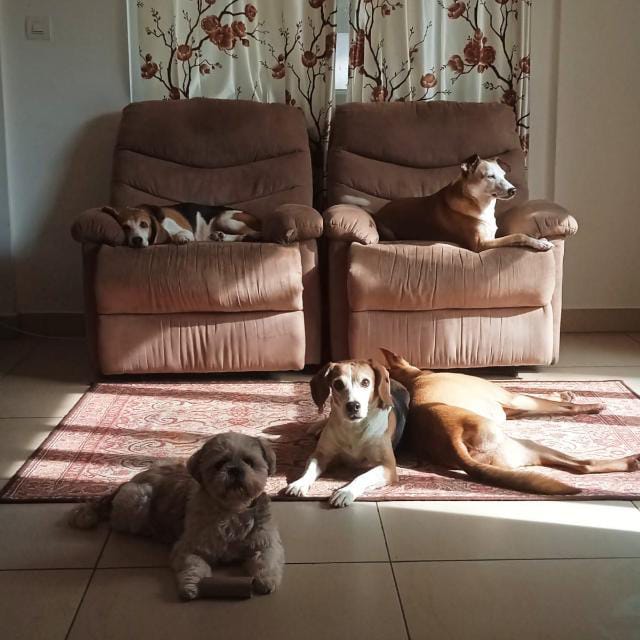
I am a pet parent to six lovely furkids, whom I lovingly refer to as my kiddos. Everything I share here comes from over 30 years of raising, learning, experimenting, and sometimes failing with my own dogs.
I’m no saint — I’ve made mistakes, trusted the wrong advice, and learned things the hard way. But over time, we cracked what works when it comes to pet wellness and nutrition.
This blog is not theory. It’s real, lived experience — from my pack to yours.
Where do I start?
Sheru, our adopted tripod, walked into our life after a bad accident, parvo, and with a blood count of less than 5. We knew his immunity and digestive system were going to take a beating — and we were right.
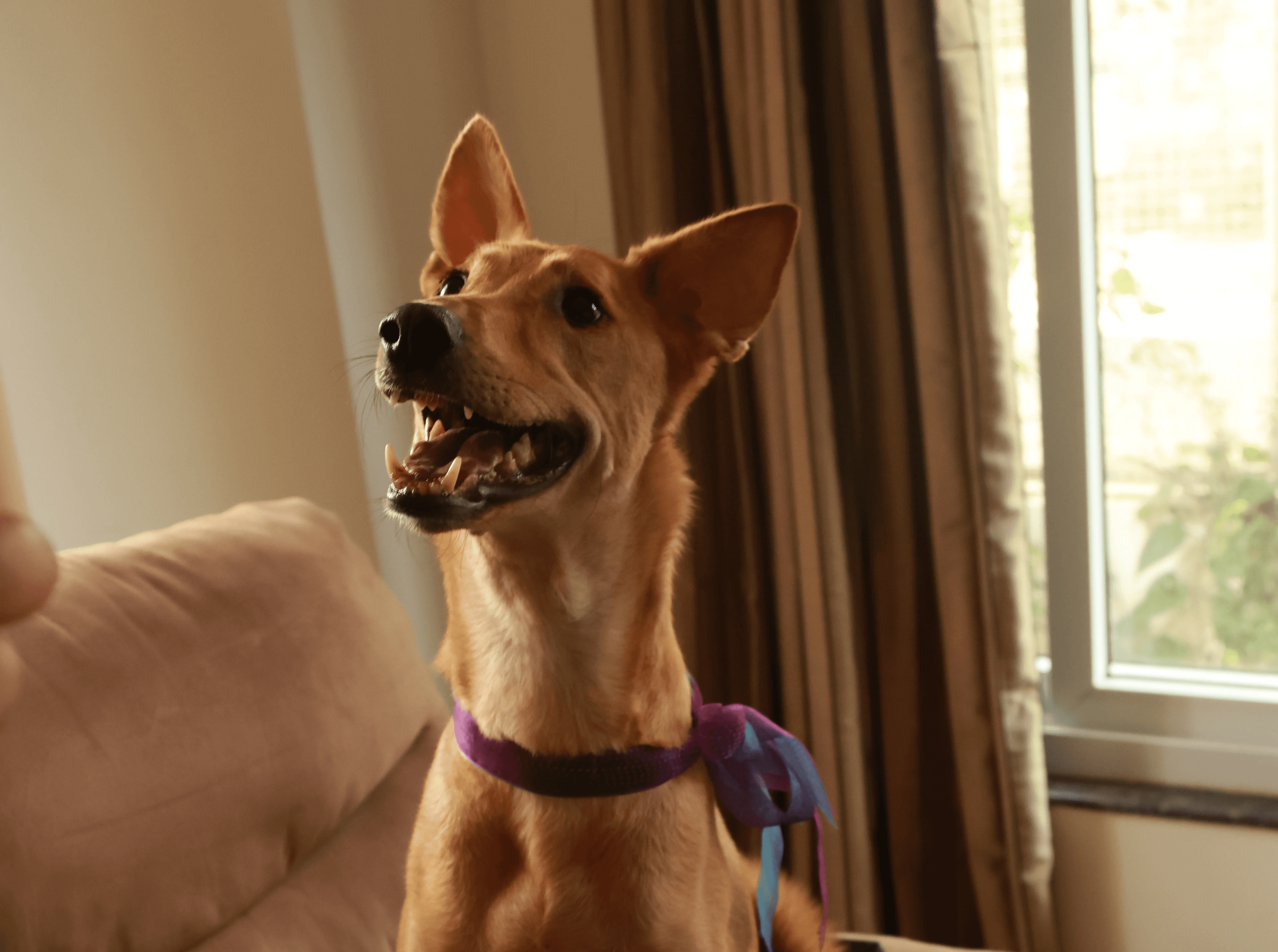
Every time we had plans, made plans, got invited, or were just about to step out…
Boom.
You hear that sound.
You ignore it thinking it’s nothing.
Then you hear it again.
Then it picks up pace.
And within no time, Sheru would have puked his gut out.
And then it begins…
“What happened now?”
The Questions That Actually Matter
We started asking ourselves these questions every single time:
What did he eat in the morning?
Was he off from the time he woke up?
Did we give a late-night snack?
Did he play or go for a walk?
How much did he eat?
Did we feed him right after activity?
Did he drink a lot of water before food?
Did he eat something new?
Did he lick something from outside?
This list looks simple.
But trust me — this is everything.
This is what helped us understand why Sheru’s stomach would suddenly give up on us.
1. What Did He Eat?
The most obvious culprit.
If the food was even slightly off — it showed.
It plays with your kiddos’ stomach immediately.
Common triggers:
Fatty food
Too many eggs
Introducing something new
No activity
2. Was He Off From Morning?
You’ll know.
Their mood changes.
They eat slowly
Or don’t eat
Or hesitate
Other signs:
Licking lips repeatedly
Licking the floor
Something is already off
3. Late Night Snack Matters
We have a 10 PM snack ritual.
Why?
Because it helps:
settle the stomach
reduce gas
avoid bile in the morning
If not, you’ll often see yellow vomit — which is usually acidity.
4. Activity (Big One)
You might think this doesn’t matter.
It does.
The more they move: the better their digestion
The less they move: the more chances of gas and vomiting
If they’re in full sloth mode… expect trouble.
5. How Much Did He Eat?
The most ignored one.
We overfeed. A lot.
Out of love.
I’m guilty of it.
Pavithra keeps reminding me.
The other day I gave Sheru bone marrow chicken.
He loved it.
30 minutes later…
We saw the result.
Always portion your dog’s food.
It keeps their digestion stable.
6. Did You Feed Right After Activity?
This is important.
Give a gap of 30–45 minutes after play or walk before feeding.
Same logic applies to us too.
7. Water Timing (Silent Culprit)
Most people miss this.
Too much water before or after food = problem
Maintain a gap:
20 mins before
20 mins after
This helps avoid:
bloating
gas
discomfort
(I’ll cover bloat separately)
8. Did He Eat Something New?
Anything new = risk
Always introduce new food: slowly in small portions
9. Did He Lick Something Outside?
Sheru believes: “Anything on the floor belongs to me.”
And we deal with the consequences.
Nothing fancy here.
Just be more careful.
What Should You Do When It Happens?
First — don’t panic.
Ask the right questions.
That’s half the problem solved.
Step 1: Let the system reset
No food for 10–12 hours
Let the body recover.
Step 2: Start light
Khichdi
Boneless chicken
Overcooked rice
Small portions only
Step 3: Watch closely
If food stays down → good
If not → go to the vet
Step 4: Hydration
They may drink more water.
Watch: if they vomit that too
If yes → vet immediately
Step 5: Support (Optional)
Diarest Cool
Pawgest
Digeton
Always check dosage with your vet
The Real Truth
You don’t need to panic.
You don’t need to be a vet.
You just need to ask the right questions.
That’s it.
Disclaimer
This content is based on my personal experience of raising and caring for my furkids over the last 30+ years. I am not a veterinarian. Every dog is different, and I strongly recommend consulting your vet before making any changes to your dog’s diet or routine.
Blogs & Insights