We Fixed This One Thing — And Our Vet Visits Dropped (It Changed Everything)
Sunder Raman
General

95% of pet parents don't get this — and it's actually one of the easiest things to fix.
I am a pet parent to six lovely furkids, whom I lovingly refer to as my kiddos. Everything I share here comes from over 30 years of raising, learning, experimenting, and sometimes failing with my own dogs.
I'm no saint — I've made mistakes, trusted the wrong advice, and learned things the hard way. But over time, we cracked what works when it comes to pet wellness and nutrition — especially around dog digestive health and daily dog care.
This blog is not theory. It's real, lived experience — from my pack to yours.
You can jump directly to the "What is that one thing" part… Or take a minute to understand how we discovered it.

The Backstory: From Monthly Vet Visits to a Breaking Point 2015 — Ozzie (Shih Tzu) walked into our lives, after we had lost Angus (our first dog, 6 years earlier… you can read about him in the King of Veggies blog).
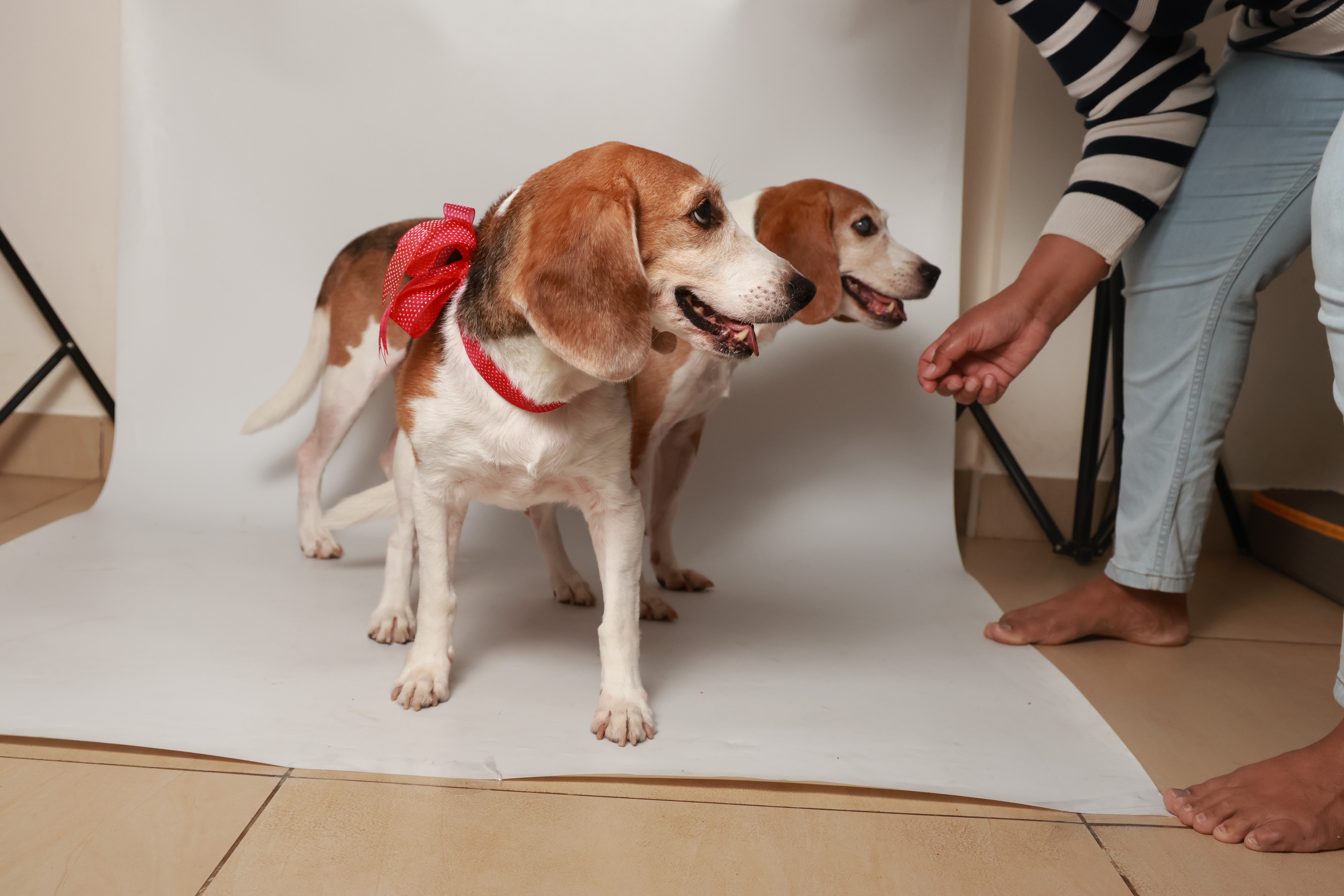
Pavithra being Pavithra, suddenly felt this strong need to foster dogs. So when Ozzie was 1 year old, we brought home Taco… and then Bella — laboratory-released beagles used for medicine and perfume experimentation.
Guess what? We foster failed.
At that time, we were already struggling with Ozzie. Vet visits were almost monthly — ticks, gut issues in dogs, random health problems. Now add Taco and Bella into the mix:
Taco had a neck condition (Beagle Pain Syndrome) from restricted movement.
Bella had severe dog digestive issues — bloating, irregular stools, the works.
We were constantly running to the vet. I mean, think about it — Dr. Lohith from Bangalore Pet Hospital would probably be shocked if Pavithra or I didn't show up once a month.
By 2018, Max came along — another laboratory-tested beagle. He was relatively fine… until he developed a tumor that needed attention.
Then came 2019. One day, Pavithra walked back from a vet visit and just lost it.
"Enough is enough."
She made all four of them — and me — stand in a line.
"Listen up everyone. I am done going to the vet. And so is your Dad."
The kiddos looked at me. I looked at them. We all sat down… like we understood. That moment changed everything. We went back to the drawing board. Research. Reading. Observation. Patterns. Learning to understand their bodies… even their blood reports (that's a separate blog in itself).
And after all that… we landed on something ridiculously simple.
Routine.
What We Discovered About Dog Gut Health
One of the most common causes of poor dog gut health, recurring vet visits, and low energy in dogs isn't a disease — it's the absence of structure. Here's what was going wrong for us:
Food timings were all over the place.
Random introduction of new foods and ingredients.
Meals not quantified → leading to overfeeding (a leading cause of gas, acidity, and bloating in dogs).
Lack of physical and mental stimulation for dogs.
No structure in how food was served.
Long gaps between meals leading to dog acidity problems.
What Changed When We Fixed It
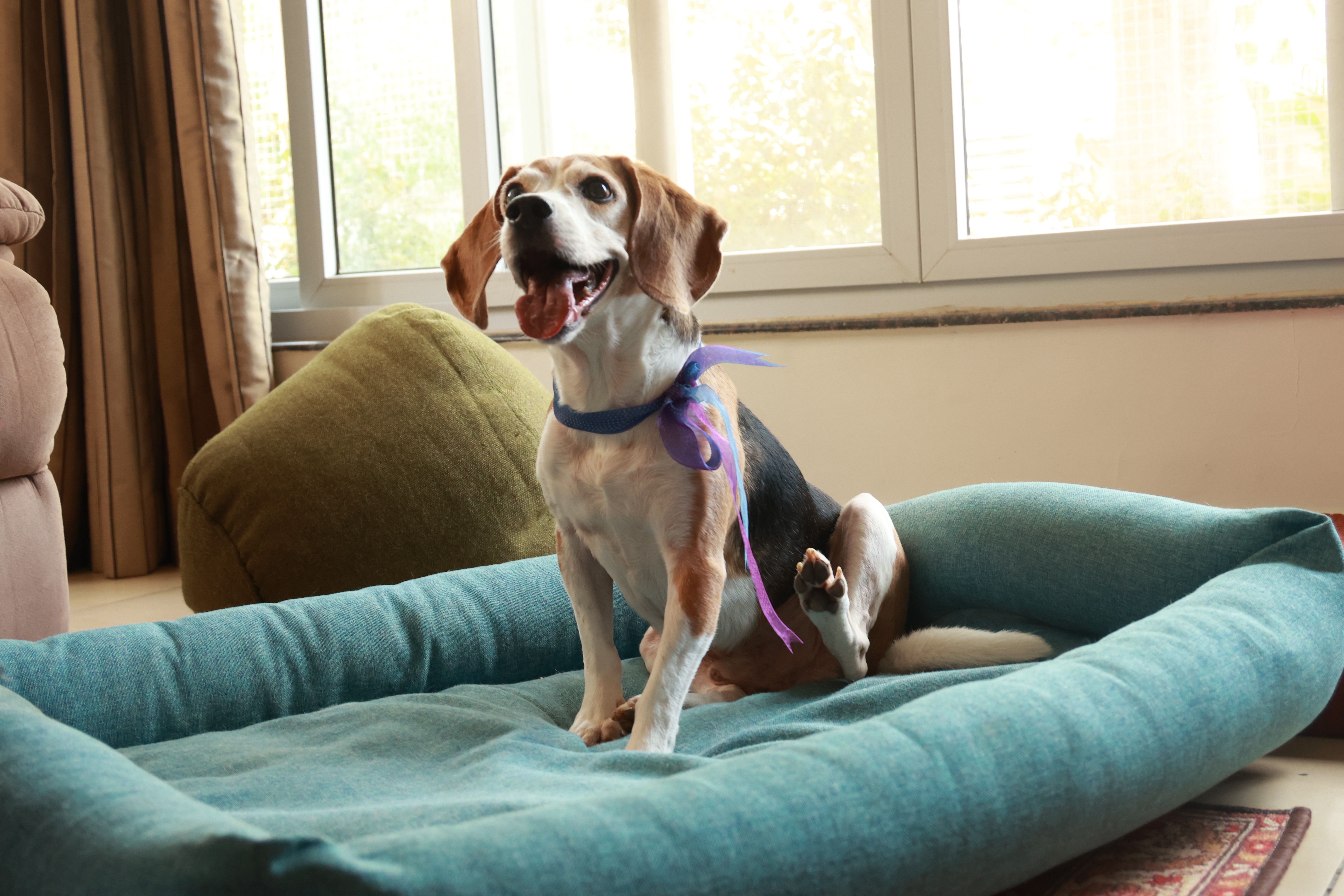
We built a simple, consistent daily routine for our dogs. And everything started falling into place.
Our Daily Dog Feeding Schedule (Example)
A consistent feeding schedule is one of the most underrated tools for improving dog digestive health:
8:00 AM – Breakfast
1:00 PM – Buttermilk
5:00 PM – Dinner
10:00 PM – Light snack
It runs like clockwork.
The Non-Negotiables for Pet Wellness
1. Meals are Timed and Measured
This was a big one for us. Earlier, we were guessing portions — which almost always meant overfeeding. That led to gas, acidity, and bloating in dogs. Now we keep it simple — same time, controlled quantity, every single day. Portion control is one of the most effective and overlooked aspects of natural dog care.
2. Slow Introductions for New Foods
This was one of our biggest mistakes earlier. New veggie? New protein? We would just add it in. Now, if we introduce anything new, we do it gradually — a small quantity over a few days and observe. This is especially important for dogs with sensitive stomachs. Their stomach will tell you everything you need to know.
3. Daily Physical and Mental Activity
This doesn't mean long walks or intense play every time. Even simple things work:
A short walk or playing fetch.
Hide and seek with treats.
Puzzle toys for dog mental stimulation.
Even 5 minutes of engagement.
Regular activity directly supports better dog gut motility and digestion.
4. Variety in Preparation (Not Chaos in Diet)
Dogs don't need 10 different vegetables every day. Simplicity in dog nutrition is often more effective than variety. We keep the base simple but change how we serve it. Take pumpkin, for example:
Steamed, mashed, or pureed.
Lightly pan-tossed (tawa fried) with olive oil, parsley, and basil.
5. Late-Night Snacks to Avoid Acidity
We usually feed dinner early. What we realized is — long gaps before sleep were causing acidity and stomach discomfort. We added a small snack around 10 PM (a biscuit or small piece of chicken) just to keep their system settled through the night.
The Most Ignored Factor: Deep Sleep
This changed more than we expected. Deep, uninterrupted sleep is a critical and severely underrated pillar of holistic dog wellness.
Afternoon: Uninterrupted sleep till around 3:15 PM.
Evening: Play and cool-off.
Night: Proper rest, wake up for snack, back to sleep.
Most pet parents in India unknowingly disturb this — especially in busy households where afternoons are active and noisy.
The Result: Seven Years of Health
Touch wood. It's been 7 years, and we've probably visited the vet 7–8 times total — and that too only for major issues, not random, recurring problems.
Routine is the most underrated "cure" for keeping your dogs healthy and happy. Fix the routine… and you'll automatically reduce dog gut issues, anxiety, and unnecessary vet visits.
It costs nothing. It requires no supplements. Just structure, observation, and consistency — the foundation of genuinely natural dog care.
Disclaimer: This content is based on my personal experience of raising and caring for my furkids over the last 30+ years. I am not a veterinarian. Every dog is different, and I strongly recommend consulting your vet before making any changes to your dog's diet or routine.
Blogs & Insights